
Finding Focus, Balance, and Compassionate Support
You don’t have to sort this out by yourself. You may have known about your ADHD since childhood or only recently started noticing the signs. At Blue Lotus Telepsychiatry, our nurse practitioners work with you to find care that fits your life, using a combination of medication, everyday strategies, and helpful supplements.
Living With ADHD
Living With ADHD
What Is ADHD?

ADHD (Attention-Deficit/Hyperactivity Disorder) is a condition that affects how your brain handles things like focus, attention, and impulse control. It’s not about willpower, intelligence, or trying hard enough.
For a lot of people, ADHD means your brain looks for stimulation in its own way. Everyday tasks can feel tough to get started, while things that really interest you might grab your full attention for hours.
ADHD usually starts in childhood, but it’s common for it to go unnoticed for years. Many adults only find out later that their struggles with things like focus or staying organized weren’t just personality quirks or stress; they were signs of ADHD all along.
How ADHD Shows Up
ADHD can show up in a few different ways. Knowing which one matches your experience helps us figure out what kind of support will work best for you.

Inattentive Presentation
Often missed because it lacks physical hyperactivity. You might struggle to stay focused on routine tasks, lose track of small details, miss steps in instructions, or frequently misplace daily items like keys, phones, or paperwork.

Hyperactive-Impulsive Presentation
Involves persistent restlessness, difficulty sitting still, talking quickly, or acting before thinking things through. In adults, childhood physical restlessness often transforms into a constant, hard-to-turn-off internal engine.

Combined Presentation
Features a combination of both inattentive and hyperactive-impulsive symptoms. This is the most common presentation diagnosed in adults.
Symptoms can shift over time, and a presentation identified in childhood does not always look the same in adulthood. That is part of why an individualized evaluation matters more than a checklist.
When ADHD isn’t addressed, it can affect more than just your focus. It might make work or school feel extra tough, put a strain on relationships, or leave you feeling discouraged after years of being told to just try harder.
It’s also common for adults with undiagnosed ADHD to feel anxious or down, just from the stress of trying to keep up without the right support. The good news is that ADHD often responds really well to the right care, and it’s never too late to get some answers.
Why It Deserves Attention

Our Approach to ADHD Care
We want to get to know how your brain works before talking about next steps. Your care starts with a virtual visit where we listen to what’s been going on and how it’s affecting your day-to-day life.
From there, we’ll work together to come up with a care plan that fits you, such as:
Medication: If it makes sense for you, we’ll help you find the right medication and dose to boost focus and keep side effects low.
Genetic Testing: If you’re interested, we offer GeneSight® testing, a simple cheek swab that shows how your body processes certain medications. This can help us make more informed choices and avoid a lot of guesswork.
Practical Tools: We’ll share tips and strategies for things like time management and organization that fit how your brain works, so you don’t have to force yourself into systems that don’t feel right.
Some people do best with medication, some prefer other strategies, and many find a mix works well. We’ll help you find what feels right for you.
Meet Our ADHD Care Providers
We believe healing starts with feeling heard. Our team of nurse practitioners is here to offer caring, evidence-based ADHD support that fits your life and your goals.
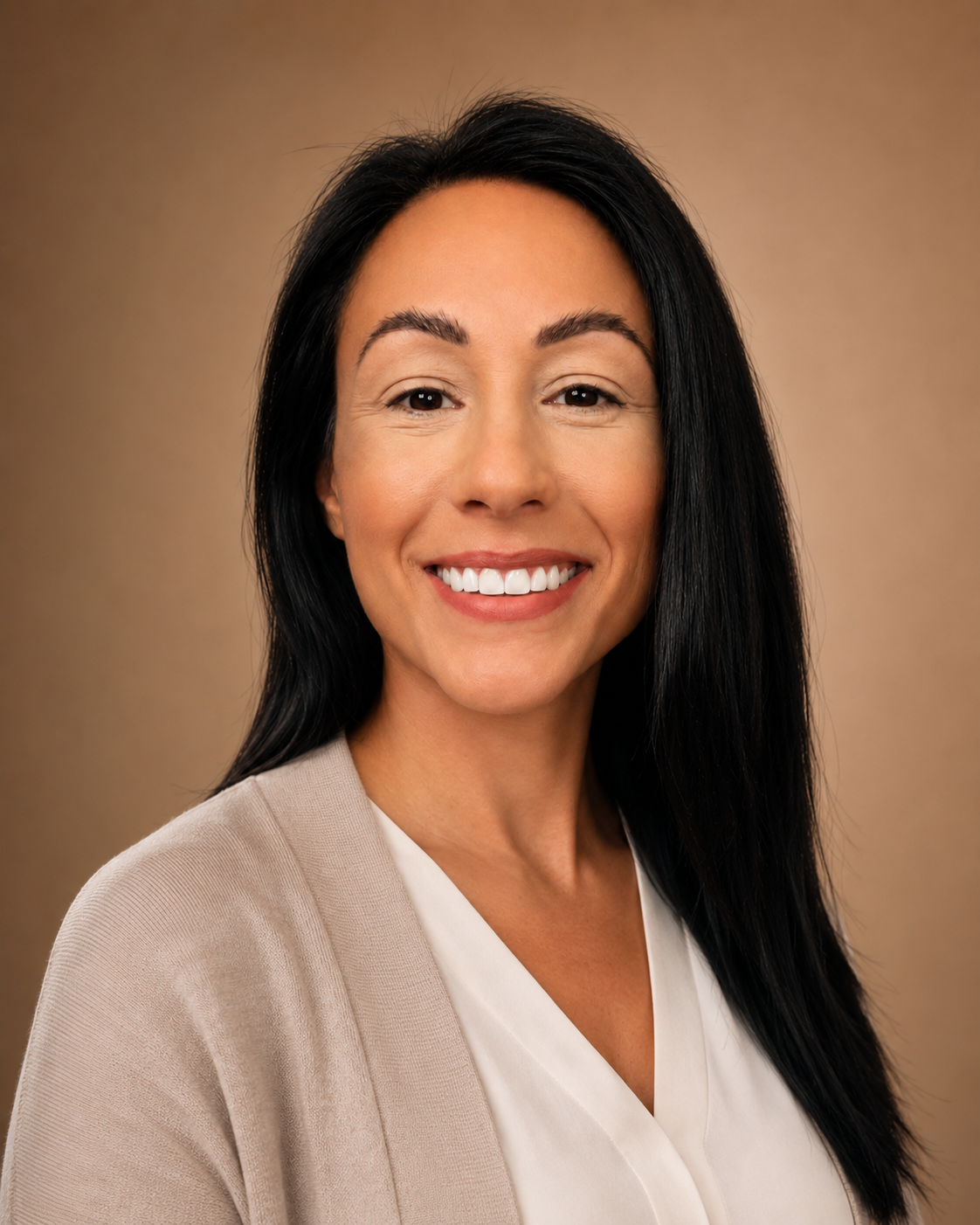
Anne Elise Pugliese, MSN, PMHNP-BC
Founder & Psychiatric Nurse Practitioner
Licensed in Ohio & New York | Serving Adults 18+
Anne creates a calm, steady space where adults can talk openly about tough things, like mood and anxiety issues, perinatal mental health, or burnout. She combines careful medication management with practical lifestyle ideas.

Megen Yerman, MSN, PMHNP-BC
Psychiatric Nurse Practitioner
Licensed in Ohio | Serving Adolescents & Adults
Megen has over six years of experience in psychiatry. She combines non-stimulant medication management with supportive therapy, helping teens and adults find practical coping tools and steady ways to feel better.
Questions & Answers
Frequently Asked Questions
-
Yes, adults can definitely be diagnosed with ADHD. Even though the symptoms usually start early on, it’s common for people not to get evaluated until later, sometimes after a big life change or noticing similar things in their kids.
-
Everyone loses their keys or gets distracted sometimes. ADHD is more about these patterns happening a lot, in different parts of your life, and making things harder day-to-day. A professional can help figure out if it’s ADHD or just a rough patch.
-
No, you don’t have to take medication if you don’t want to. It helps a lot of people, but it’s not the only option. We can talk about supplements, lifestyle changes, and other strategies to find what feels right for you.
-
Sometimes things like low iron, thyroid problems, or blood sugar issues can make focus and energy worse. Checking these with lab work helps us make sure you’re getting the right support for both your mind and body.
-
All of our appointments happen over secure video, so you can join from home, work, or anywhere you feel comfortable in Ohio, New York, or Florida.
-
Yes, GeneSight® testing looks at how your body processes certain medications, including some used for ADHD and mood. It doesn’t diagnose ADHD, but it can help us pick medications that are more likely to work for you.
-
Your first visit is mostly a conversation. We’ll talk about your health history, what’s been tough lately, and what you’d like help with, so we can figure out a plan together.
If you or someone you know is experiencing a mental health emergency or crisis, please call or text 988 or go to the nearest emergency room.

Start Feeling Like Yourself Again
If any of this sounds familiar, a telepsychiatry visit can help you get some answers and real support. We’re here to listen and help you through each step.
