
Reclaiming Safety, Restoring Peace, and Moving Forward
Living with the impact of trauma can make the world feel unpredictable, exhausting, and unsafe. Dealing with intrusive memories, a constant state of high alert, or the quiet tendency to isolate yourself from others, can leave you struggling to process these heavy feelings on your own.
At Blue Lotus Telepsychiatry, our psychiatric nurse practitioners provide compassionate medication management, targeted lab testing, precision genetic testing, and practical daily coping tools to help you feel grounded and regain control of your life.
Trauma Treatment & Healing
Trauma Treatment & Healing
What is Trauma & PTSD?

Trauma is the lasting emotional and physical response that occurs when an experience overwhelms your ability to cope. Post-Traumatic Stress Disorder (PTSD) develops when your nervous system remains stuck in fight-or-flight mode long after the traumatic event has ended.
When you carry unresolved trauma, your brain's threat-detection center stays hyper-focused on keeping you safe. This causes your body to continually pump out stress hormones, which can leave you feeling perpetually on edge, easily startled, or emotionally disconnected. Trauma is not a sign of emotional weakness, a lack of resilience, or something you can simply put behind you by ignoring it. It is a real biological and psychological response that deserves thoughtful, specialized care.
Trauma affects the mind, body, and daily behavior. While everyone processes difficult experiences differently, symptoms generally show up across three key areas:
How Trauma Shows Up
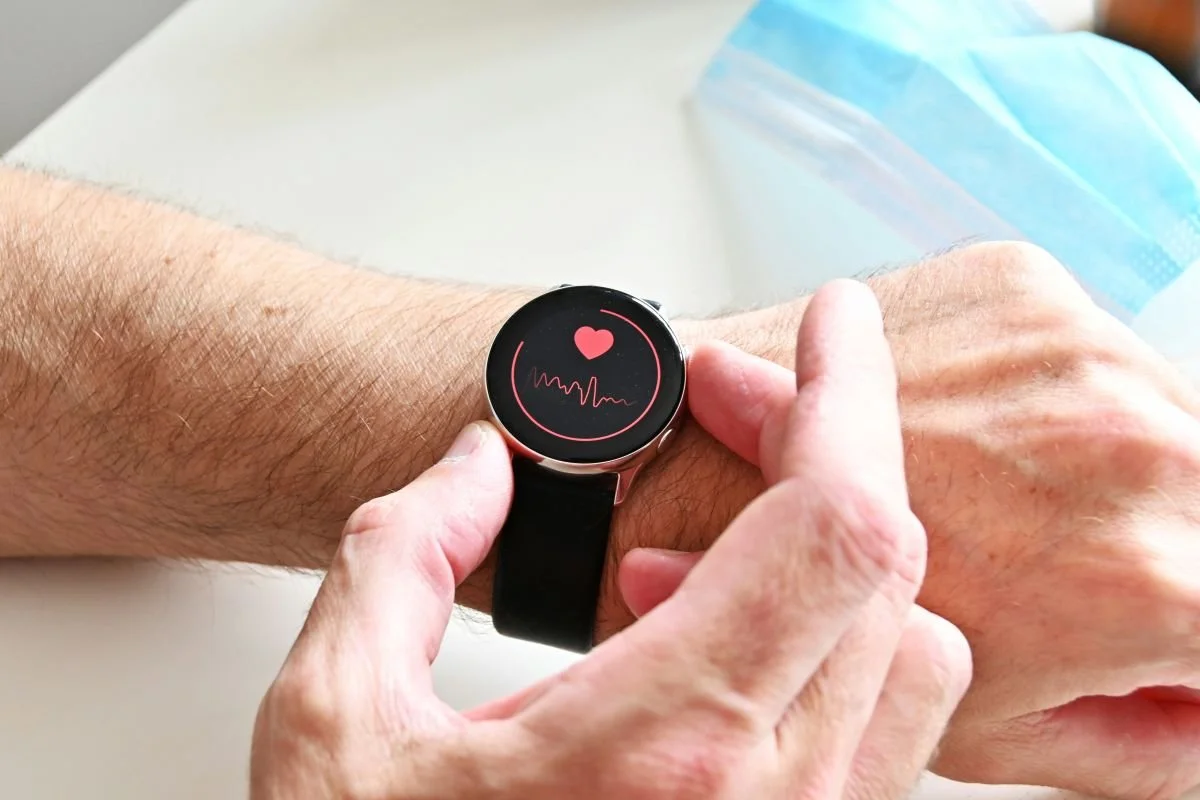
Physical Symptoms
Chronic muscle tension, unexplained physical pain, rapid heart rate, digestive trouble, deep physical exhaustion, and difficulty falling or staying asleep due to nightmares or night sweats.
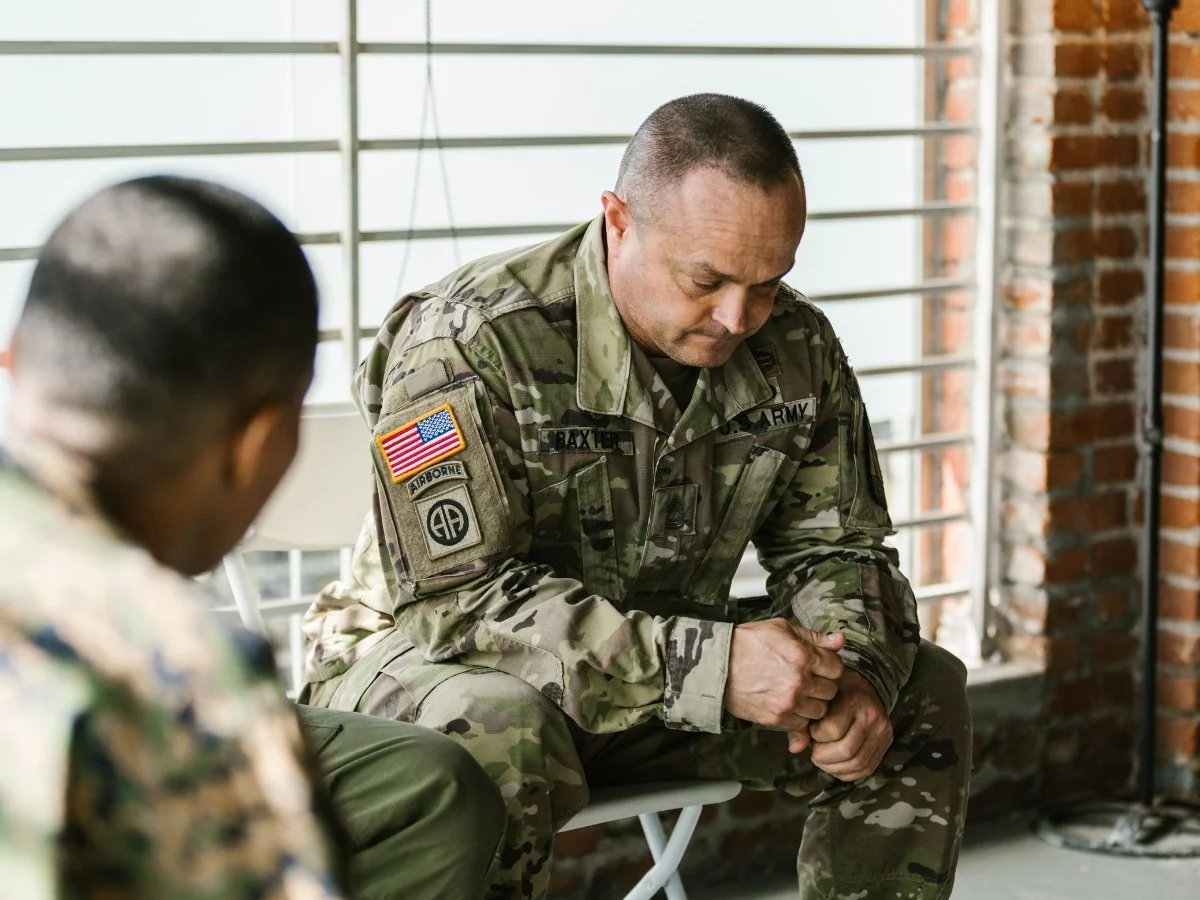
Mental Symptoms
Intrusive thoughts, vivid flashbacks, memory lapses surrounding the event, ongoing brain fog, and difficulty concentrating on work or simple daily tasks.

Emotional and Behavioral Patterns
Feeling emotionally numb, staying constantly vigilant for danger, avoiding people or places that remind you of the past, feeling detached from loved ones, and experiencing sudden bursts of irritation or anxiety.
Trauma frequently overlaps with other conditions like depression, chronic anxiety, or ADHD. A thorough evaluation allows us to view your health through a complete, trauma-informed lens.
Types of Trauma & PTSD We Support
Trauma takes many forms, and understanding your specific experiences helps us build a supportive care plan. We evaluate and treat various trauma-related challenges through telepsychiatry, including:
Post-Traumatic Stress Disorder (PTSD): Persistent distress, flashbacks, and avoidance following a discrete traumatic event, such as an accident, medical emergency, assault, or natural disaster.
Complex or Relational Trauma: Ongoing emotional distress stemming from prolonged exposure to stressful environments, toxic relationships, or difficult childhood experiences.
Acute Stress Responses: Intense, recent distress and physical tension resulting from recent sudden loss, major life upheaval, or unexpected physical crisis.
Secondary Trauma: Deep emotional fatigue and anxiety often experienced by healthcare workers, first responders, and caregivers continuously exposed to others' trauma.

Our Approach to Trauma Care
We view trauma as a physiological and emotional state that requires safety, patience, and clear understanding before taking action. Your care begins with a thorough, gentle virtual evaluation where we listen to your experiences and focus on how symptoms affect your daily life.
Together, we build a care plan centered around your safety and comfort:
Coping Guidance & Practical Tools: Teaching concrete nervous-system regulation strategies, somatic grounding techniques, and boundary-setting skills to help you manage sudden triggers and feel safe in your body again.
Holistic & Supplementation Support: Recommending evidence-supported supplements and lifestyle modifications to help restore restful sleep, support adrenal health, and promote long-term nervous system recovery.
Medication Management: Exploring evidence-based options to calm hyper-arousal, reduce night terrors, and balance mood, helping your nervous system return to a manageable baseline.
If you need medication, non-medication strategies, or a combination of both, we build the care plan around your individual comfort level and health history.
Meet Our Trauma Care Providers
Healing begins with feeling heard. Our team of licensed psychiatric nurse practitioners specializes in compassionate, evidence-based trauma care tailored to your unique brain, goals, and lifestyle. We believe in listening first and treating second, working collaboratively with you to build a care plan that fits your actual life.

Anne Elise Pugliese, MSN, PMHNP-BC
Founder & Psychiatric Nurse Practitioner
Licensed in Ohio & New York | Serving Adults 18+
Anne creates a calm, steady space where adults can talk openly about tough things, like mood and anxiety issues, perinatal mental health, or burnout. She combines careful medication management with practical lifestyle ideas.

Megen Yerman, MSN, PMHNP-BC
Psychiatric Nurse Practitioner
Licensed in Ohio | Serving Adolescents & Adults
Megen has over six years of experience in psychiatry. She combines non-stimulant medication management with supportive therapy, helping teens and adults find practical coping tools and steady ways to feel better.
Questions & Answers
Frequently Asked Questions
-
Everyday stress comes and goes depending on external situations. PTSD occurs when your nervous system stays in a constant state of high alert long after a stressful or dangerous event has ended. It involves persistent physical tension, intrusive memories, nightmares, and deliberate avoidance of triggers that interfere with your daily life and relationships.
-
No. Our psychiatric nurse practitioners focus on trauma-informed medical care. While we discuss your current symptoms, physical health, and daily challenges, you will never be forced to recount painful details of your past experiences to receive care. We prioritize your sense of safety and control at every visit.
-
While medication does not erase past memories, it can significantly lower the biological intensity of PTSD symptoms. Appropriate treatment helps reduce hypervigilance, calm physical panic, and curb recurring nightmares, creating the physical stability needed to engage comfortably in daily life and therapy.
-
Chronic trauma and ongoing stress put heavy demands on your nervous and endocrine systems. Over time, this can lead to adrenal fatigue, altered cortisol levels, thyroid imbalances, and nutrient depletion. Running targeted lab tests helps us identify and fix these physical stressors so your body can heal alongside your mind.
-
Receiving care from your own home allows you to stay in a familiar, secure environment during your appointments. All visits take place over our private, secure video platform, eliminating the stress of commuting or waiting in unfamiliar medical offices.
If you or someone you know is experiencing a mental health emergency or crisis, please call or text 988 or go to the nearest emergency room.

Start Feeling Like Yourself Again
You do not have to carry the weight of trauma on your own. If you are ready to explore gentle, personalized mental health care in Ohio, New York, or Florida, our team is here to listen.
